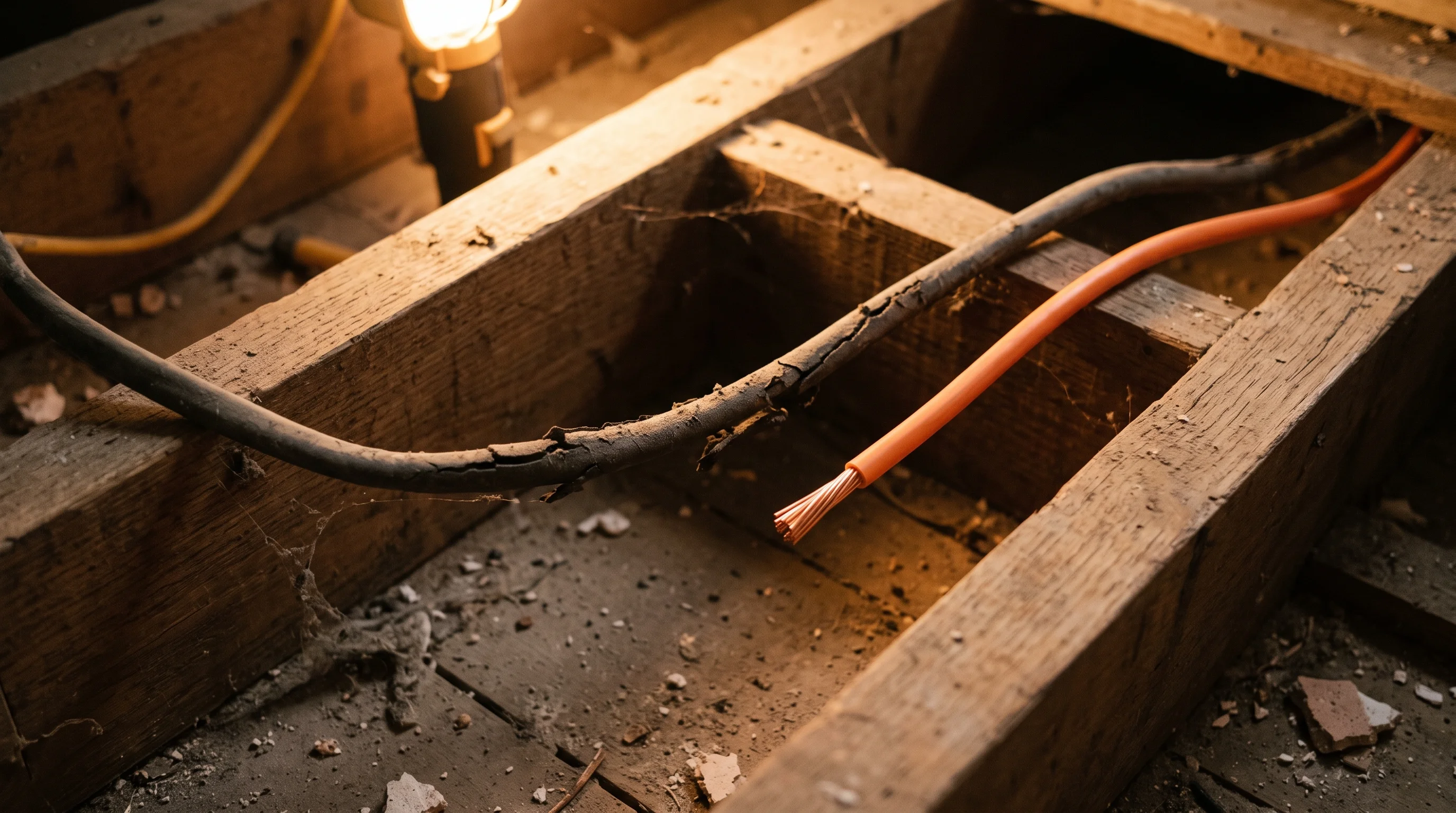
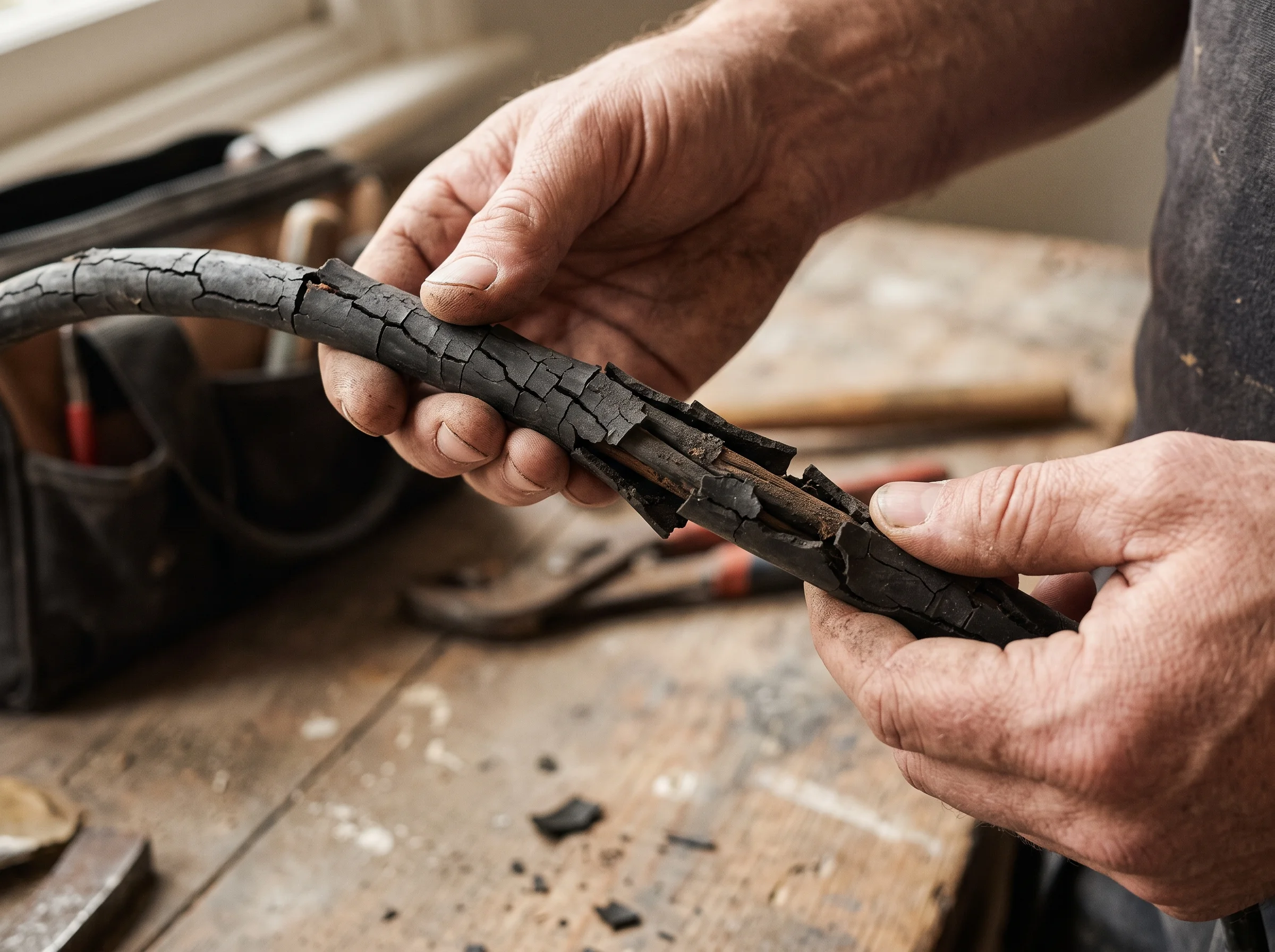
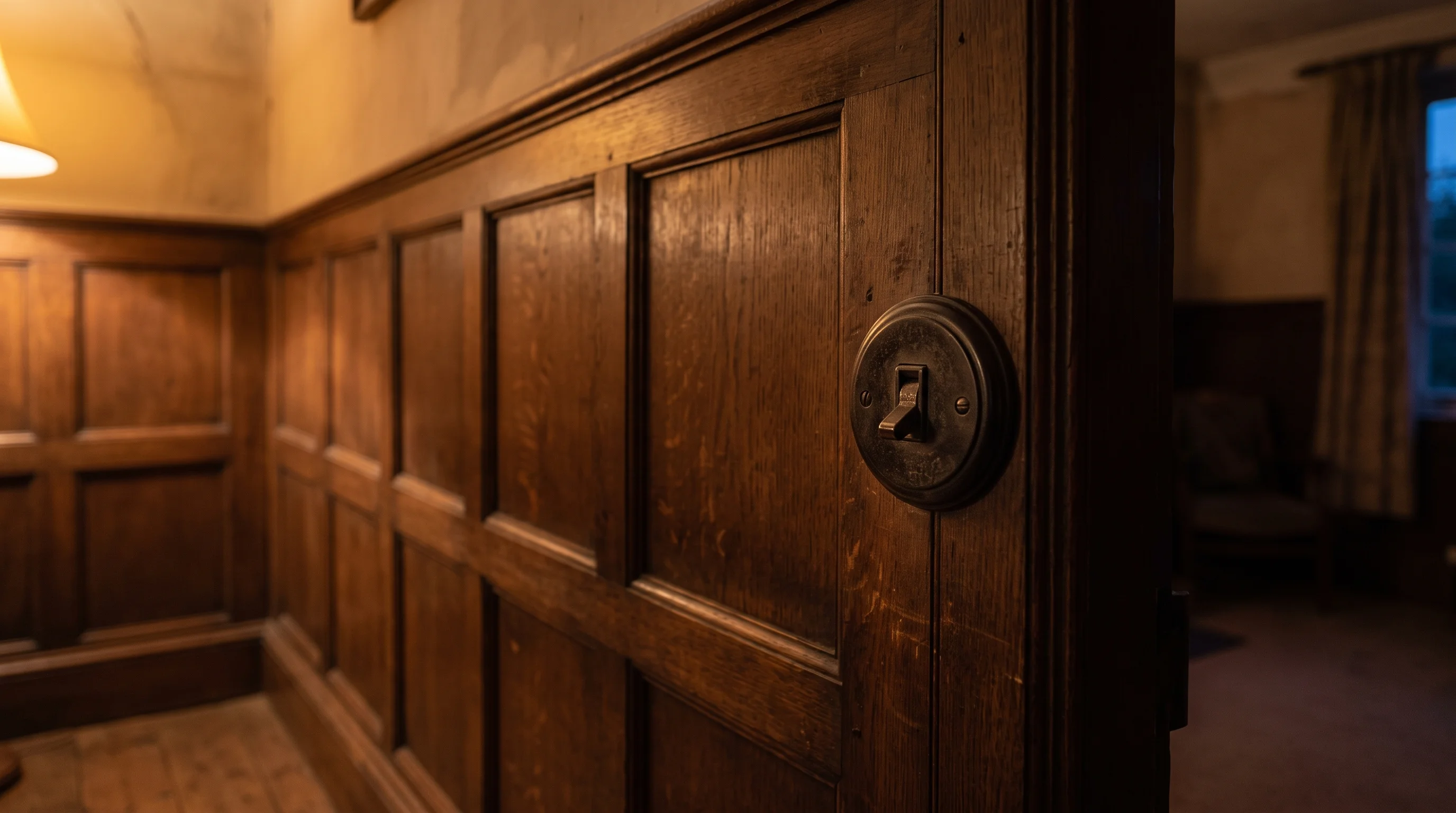
If your house was wired before about 1970, there is a fair chance the cables inside its walls are insulated with rubber. Rubber does not last. It dries, hardens and cracks, and the moment it is disturbed — a new light fitting, a boarded loft, a mouse — the insulation crumbles away from the copper like burnt paper, leaving live conductors bare inside the fabric of your home. There is often a smell first: faint and sweetish, like warm tar behind a switch plate.
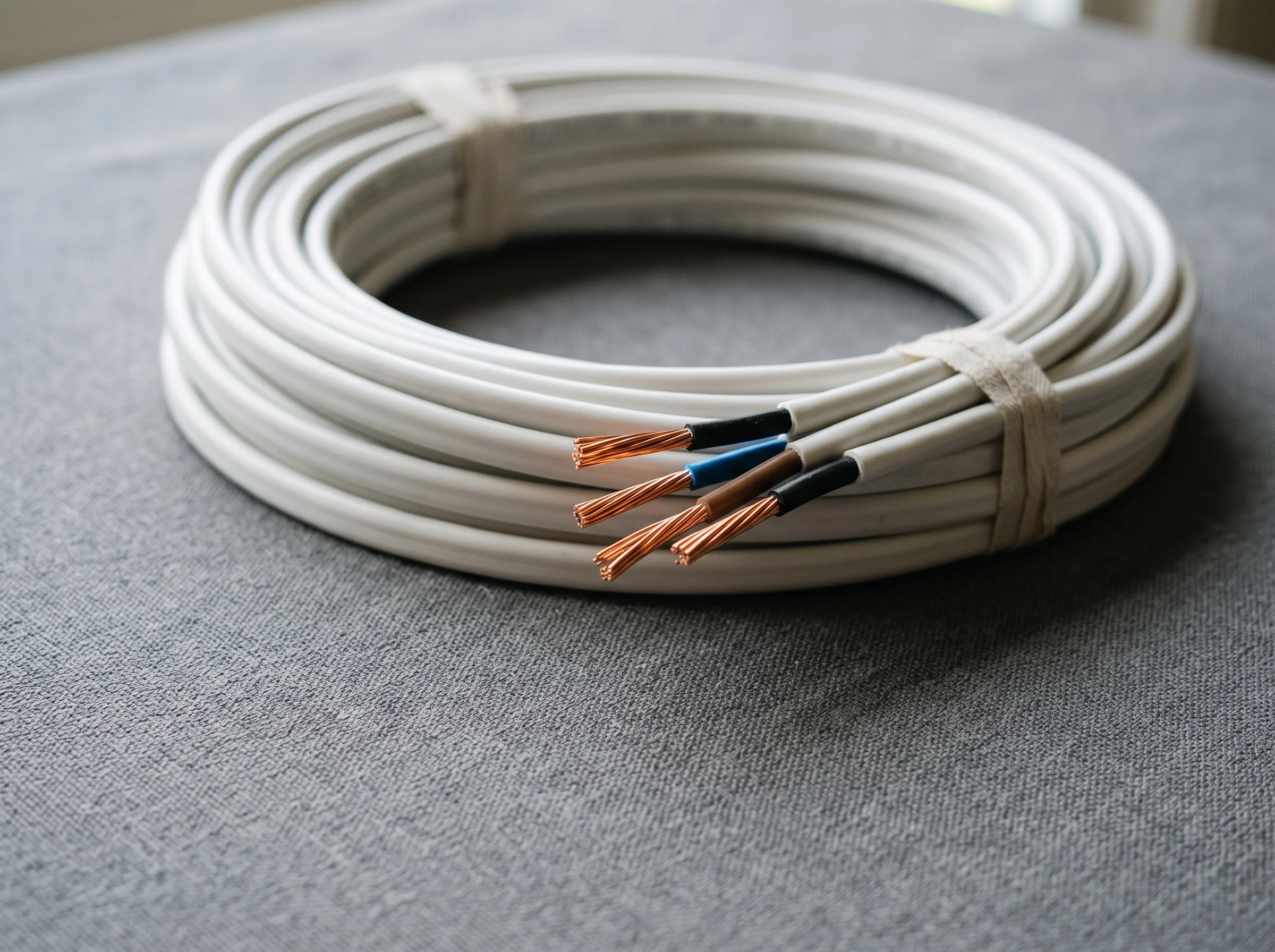
A careful rewire takes every run of it out and replaces it with modern insulated-and-sheathed cable, finishing at a new consumer unit — the fuse box's better-mannered successor — where each circuit is protected against overload and against the small faults that start fires. Consumer unit replacement is often the first call we get from Hereford's older houses; a full house rewiring is sometimes what the house actually needs. We will tell you honestly which yours is, in writing, before anything is opened.
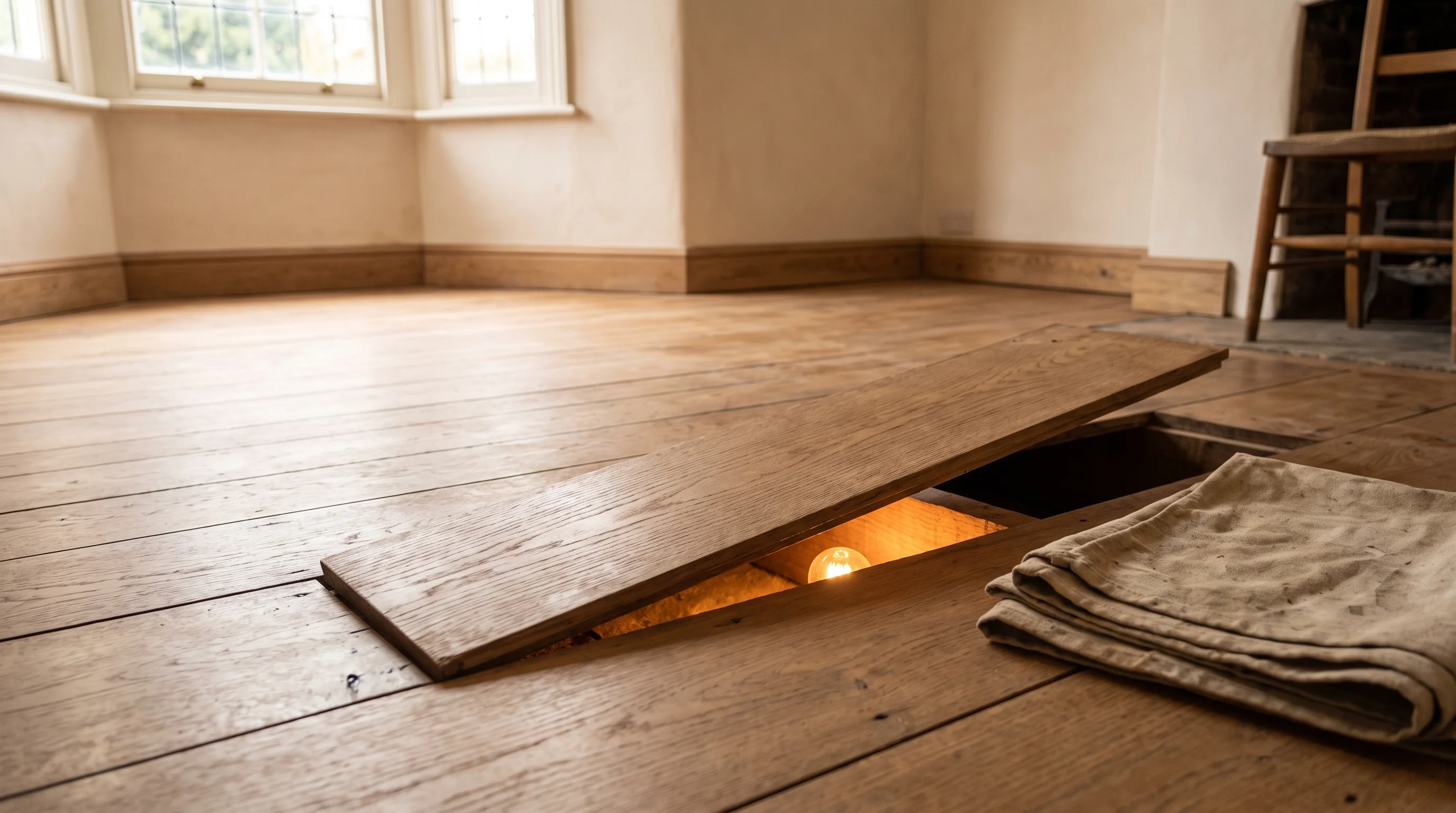
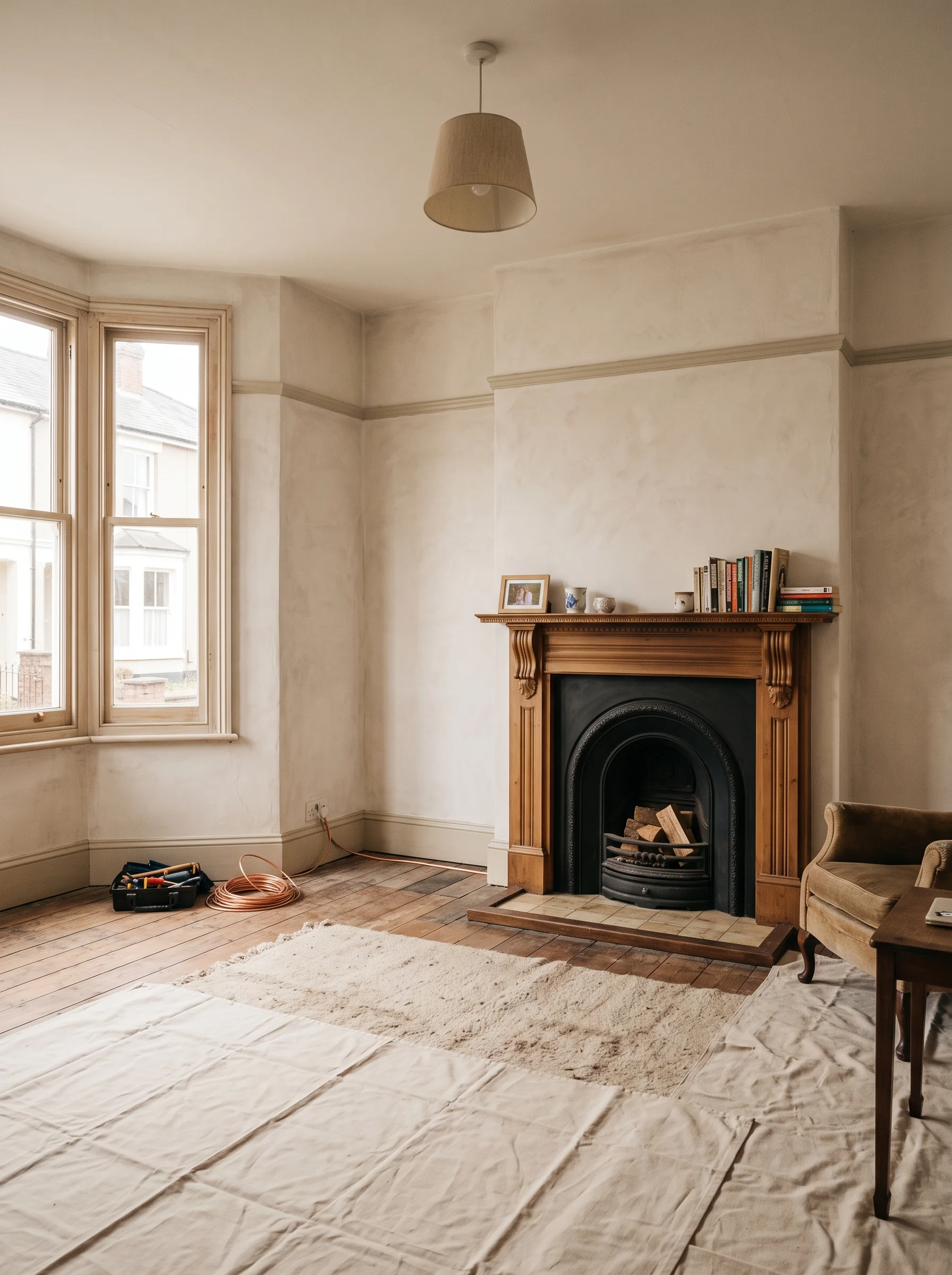
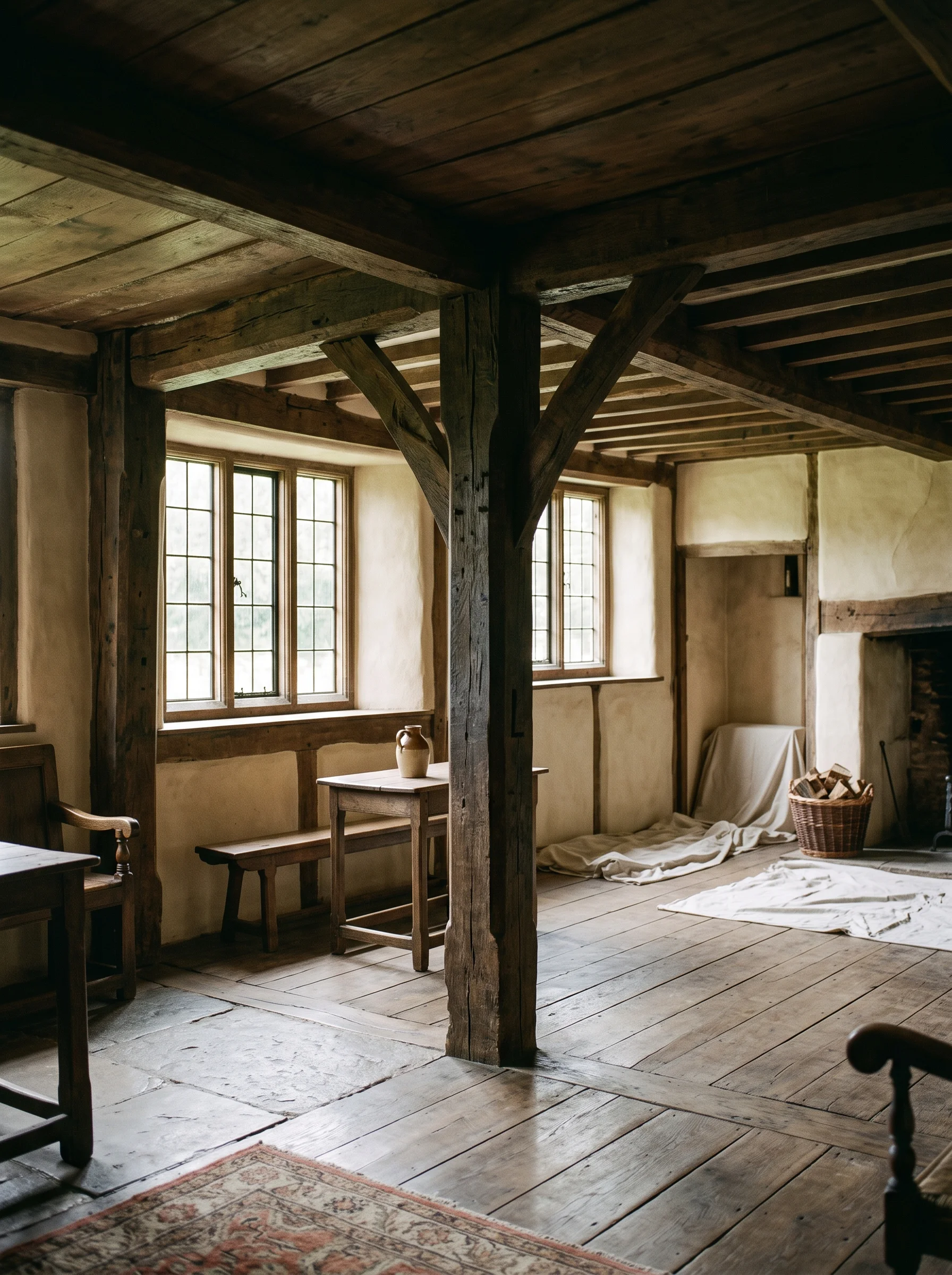
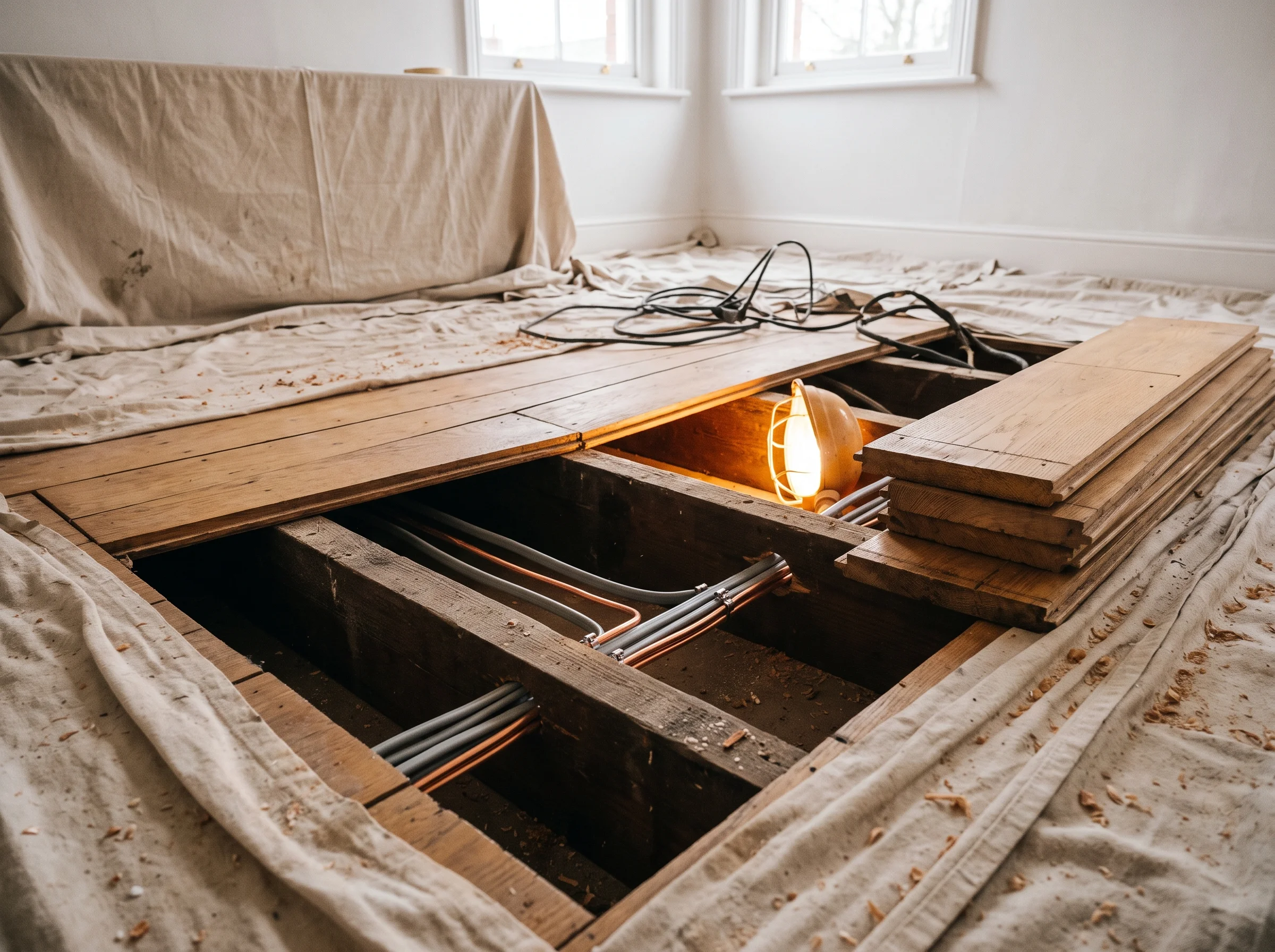
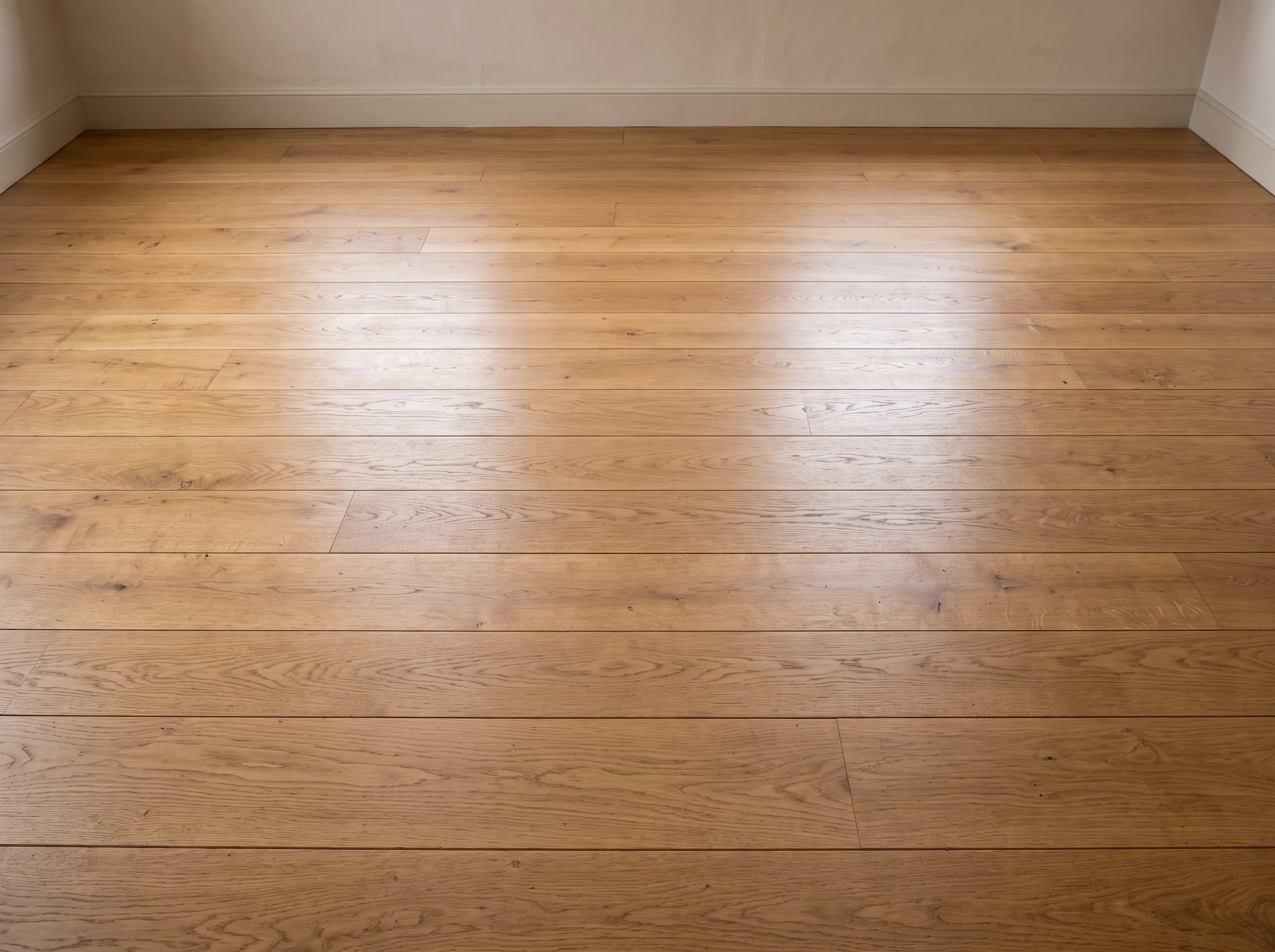
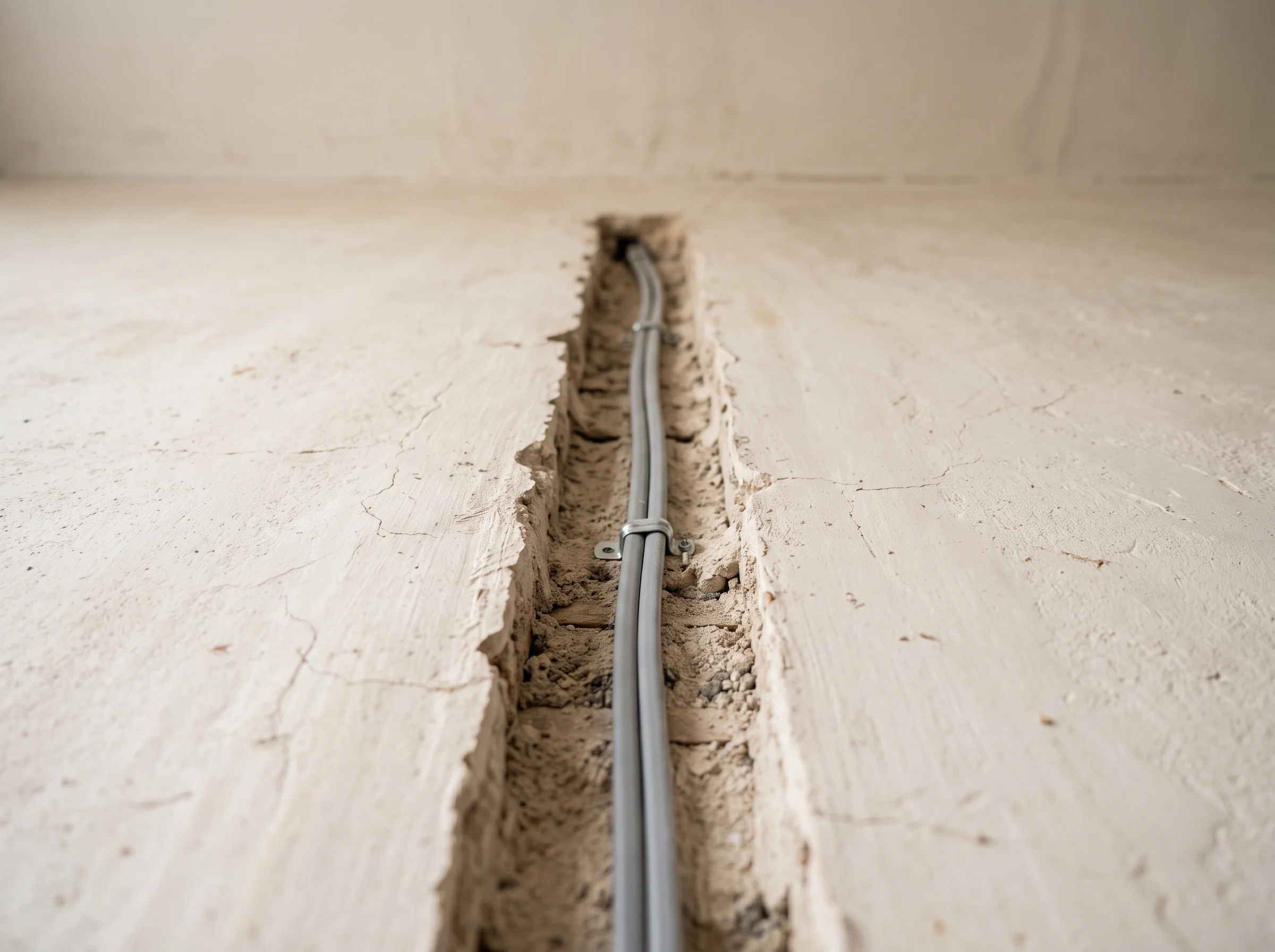
The craft is in the routes. In a period home we fish cables through the voids the building already has rather than cut ceilings; we lift boards rather than trench floors; and where a chase truly cannot be avoided we cut it narrow, by hand, and make it good in lime. Rewiring lath and plaster walls is a plasterer's problem only if your electrician makes it one.